Improve your energy label: from D to A - measures and costs
A better energy label means a lower energy bill, a more comfortable home and a higher property value. But how do you improve your energy label from, say, D to A or B, which measures deliver the most label steps, and what does it cost? We lay it all out - including the 2026 subsidies and why you need a new label after upgrading.
💡 Upgraded and ready to have your higher label recorded? Request a new energy label directly.
Calculate your price →Which jump is realistic? From D to A or B
The energy label runs from G (very inefficient) to A+++ (very efficient). How many steps you can make depends on your starting point and the insulation already present. A rough guide:
- 🪜 D to B - often achievable with roof and facade insulation plus HR++ glazing.
- 🪜 D or C to A - usually a combination of insulation, a heat pump (or hybrid) and solar panels.
- 🪜 E, F or G to A or B - a bigger intervention, but this is exactly where the saving on your energy bill is greatest.
The most effective measures to improve your label
Not every measure counts equally. These are the interventions with the biggest impact on your energy label, roughly in order of return:
1. Insulation (roof, facade, floor)
Insulation is almost always the smartest first step. Roof insulation tops the list: it can often improve your label by one or two classes. Facade/cavity-wall insulation also delivers a lot - especially for corner houses and detached homes, which have much more exterior wall. It doesn't just win label steps: it also improves comfort by reducing draughts in the home.
Floor/ground insulation is a special case: for your energy label and your energy bill it actually delivers the least. But it's the one you notice most yourself - no more cold feet. That's why we mainly call floor insulation a comfort measure: you do it for living comfort, not so much for that extra label step.
2. HR++ or triple glazing
Replacing single glazing or old double glazing with HR++ glass (or triple glazing) sharply reduces heat loss through the windows. A logical combination with facade insulation.
3. Efficient heating: (hybrid) heat pump
A heat pump or hybrid heat pump is more efficient than a gas boiler and weighs heavily in the label calculation. Going for a hybrid setup? Then combine it with an Intergas boiler - in our experience it scores best on efficiency. Read more in our blog on how your gas boiler affects the energy label.
4. Solar panels
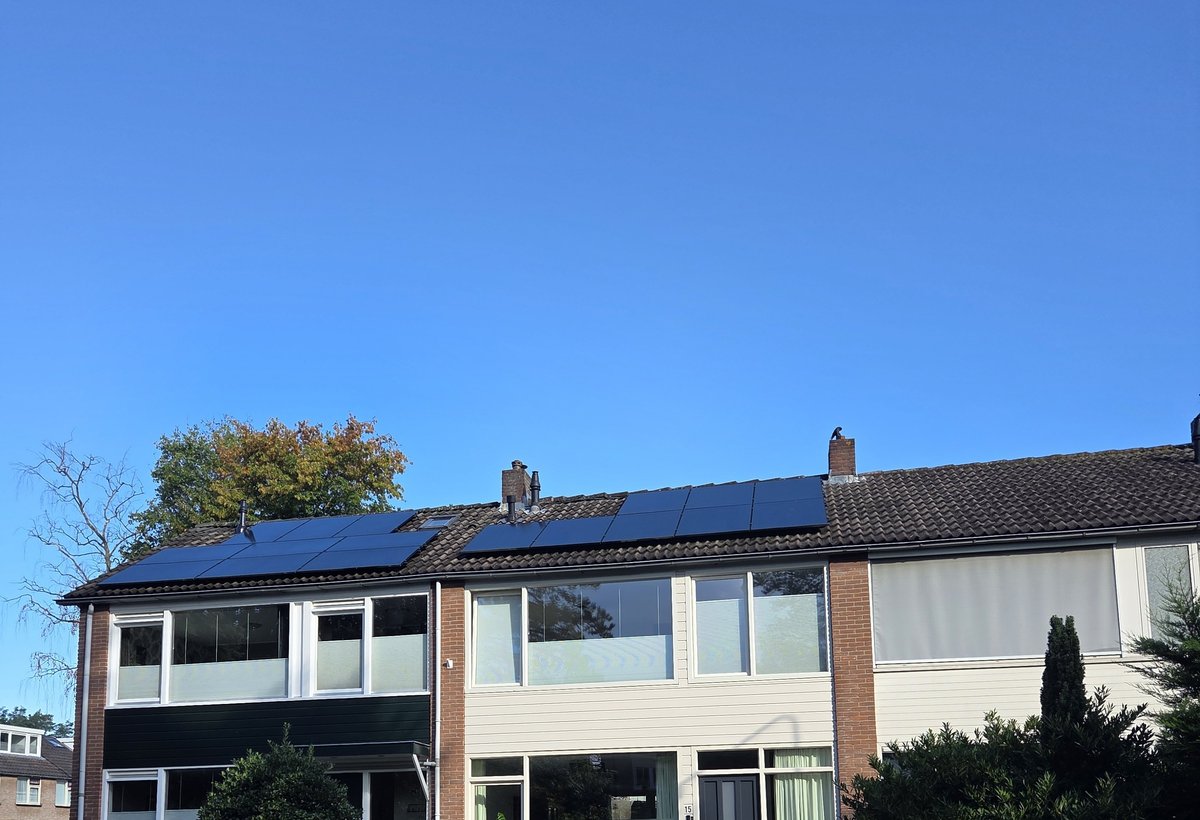
With solar panels you generate part of your energy yourself. That often improves the label by 1 to 2 classes. More in our article on solar panels and the energy label.
New since 29 May 2026: a fixed home battery of at least 5 kWh also counts in the label calculation. In practice, though, the battery delivers hardly any label gain - the real jump comes from the solar panels themselves. So you choose a home battery mainly to use your own solar power better, not for a higher label.
5. Ventilation
Good, energy-efficient ventilation (such as heat recovery) rounds it off: healthy air without unnecessary heat loss.
Common mistakes when improving your energy label
Making your home more sustainable pays off most when you do it in the right order. These are the pitfalls we see most often in practice:
- 🔥 Installing a heat pump before the insulation is up to standard — a heat pump only works efficiently in a well-insulated home. The other way round, the efficiency (and your energy bill) disappoints. So insulate the shell first.
- 📏 Skipping the inspection (baseline measurement) — without a clear picture of your current energy performance you don't know which measure delivers the most label gain. It's then easy to invest in the wrong thing.
- ☀️ Fitting only solar panels — panels help, but in a poorly insulated home they count for less than insulation. A combination of insulation and generation almost always beats isolated measures.
In short: start with a proper inspection, insulate the shell, and only then switch to efficient installations. That way you build towards a higher label without unnecessary costs.
What does it cost to improve your energy label?
Costs depend heavily on your home and what is already insulated. As an indication, for an average terraced house:
| Measure | Indication (terraced house) |
|---|---|
| Roof insulation | € 6,000 - € 10,000 |
| Facade / cavity-wall insulation | € 800 - € 5,000 |
| Floor / ground insulation | € 1,000 - € 3,500 |
| HR++ glazing (whole home) | € 3,000 - € 8,000 |
| (Hybrid) heat pump | € 3,000 - € 9,000 |
| Solar panels (8-10 units) | € 3,500 - € 6,000 |
These are guide prices before subsidy and vary per home and contractor. A jump from D to A for a terraced house often comes down to a total investment of € 15,000 to € 35,000. Want to know exactly what pays off for your home? Request a custom advice report - then you calculate with real figures instead of averages.
Subsidies and financing in 2026
Making your home sustainable is strongly supported. The main schemes in 2026:
- 💶 ISDE subsidy - on insulation (around 30% of the average costs), heat pumps and solar water heaters. Combine insulation with a heat pump or solar water heater and a double subsidy amount often applies.
- 🏦 Energy Savings Loan (National Heat Fund) - a favourable loan of € 2,500 to € 25,000. With a combined income below around € 60,000 you pay 0% interest. The loan can be combined with the ISDE.
- 🏘️ Municipal schemes - many municipalities have additional funds or energy coaches.
Which pots exist exactly, how much you get and how to stack them cleverly is covered in our article which subsidies can you get to improve your energy label →.
Subsidy amounts and conditions change. For current amounts, always check rvo.nl or verbeterjehuis.nl.
Why you need a new energy label after upgrading
This is often forgotten: improvements only count officially once they are recorded in a new, registered energy label. As long as you do not have a new label drawn up, your old class simply stays in EP-online (the official register) - even though your home is now much more efficient.
A new, higher label is worth money directly when:
- 🏠 Selling - a home with label A demonstrably sells better than with label D.
- 🔑 Renting - a higher label yields more rental points.
- 💰 Green mortgage - with a better label you can often borrow more or get an interest discount. See energy label and mortgage.
After your improvements we record the new label with a property inspection and registration in EP-online - from € 220.
Frequently asked questions
How much can you improve your energy label?
With a combination of measures, several label steps are possible. Going from label D to B is often achievable with roof and facade insulation plus HR++ glazing; for label A extra steps are usually needed, such as floor insulation, a heat pump and solar panels. Every home is different, so the achievable jump varies per situation.
Which measure delivers the most label steps?
Insulation (especially roof and facade insulation) and solar panels usually deliver the biggest jump per euro. Solar panels can often improve the label by 1 to 2 classes, and insulation reduces energy loss so the energy performance rises considerably.
What does it cost to go from energy label D to A?
That depends heavily on the home and the insulation already present. For an average terraced house the total investment for a jump from D to A often lies between € 15,000 and € 35,000, spread across insulation, efficient heating and solar panels. A custom advice report calculates this exactly for your home.
Which subsidy can I get for energy label improvement in 2026?
Through the ISDE scheme you get a subsidy in 2026 on insulation (around 30% of the average costs), heat pumps and solar water heaters. If you combine insulation with a heat pump or solar water heater, a double amount often applies. In addition, the National Heat Fund offers the Energy Savings Loan (€ 2,500 to € 25,000), with 0% interest for a combined income below around € 60,000. Check rvo.nl for current amounts.
Do I need a new energy label after upgrading?
Yes. Improvements only count officially once they are recorded in a new, registered energy label. Otherwise the old label with the old class stays in EP-online. If you want to prove the higher class when selling, renting or applying for a green mortgage, you have a new label drawn up.
Do solar panels raise my energy label?
Yes, solar panels often improve the energy label by 1 to 2 classes, because they generate part of the home's energy themselves. The effect depends on the number of panels and the home.
Read also
- Solar panels and the energy label: how many steps do you gain?
- How your gas boiler affects the energy label
- Energy label and mortgage: borrow more and save
- What does an energy label cost in 2026?
- Rc- and U-value: insulation values explained
A new energy label after upgrading?
Have you improved your home? Have the higher class officially recorded. At Hollands Duurzaam you pay from € 220 for a new, registered energy label. Want to know first which measures pay off? Just ask us for advice - we're happy to help. We are BRL 9500-MWA-W certified, member of AVEPA and register directly in EP-online.