Solar panels and energy label: how does solar energy affect your rating?
More and more households are choosing solar panels. But what is the actual impact of solar energy on your energy label? And do solar panels really help improve your rating? In this article you'll discover everything about the relationship between solar panels and energy labels.
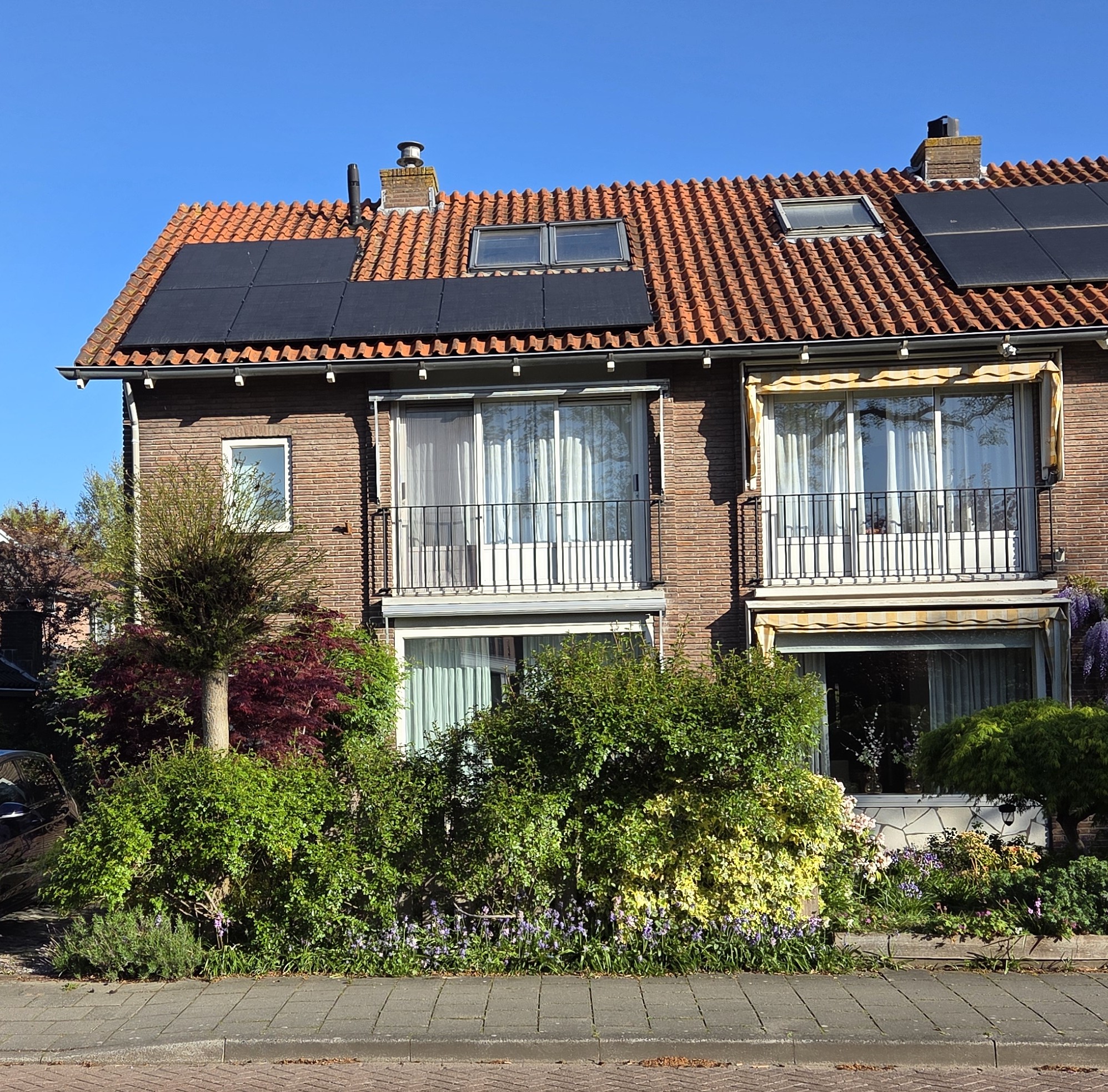
Solar panels significantly improve your energy label
The short answer: yes, solar panels improve your energy label. And that makes sense. Your energy label measures how efficiently your home handles energy — including how you produce it. Solar panels mean you need to draw less electricity from the grid, which directly results in a better label.
This is one of the most impactful ways to improve your energy label, especially because solar panels:
- Directly produce the electricity you need
- Significantly reduce the amount of grid electricity needed
- Still generate energy in winter (though less)
- Last a long time (25+ year warranty)
By how much does the energy label improve with solar panels?
The improvement of your energy label depends on several factors:
The number of panels (kWp capacity): More panels = more electricity, so a greater difference in your label.
The orientation of your house: The more sun-catching surface your house has (good roofs, south-facing facade), the more the panels contribute to your energy label.
Many households see an improvement of 1 to 2 label classes through solar panels. For example from G to E, or from D to B. In extreme cases (many panels, low consumption) it can even reach an A rating.
| Situation | Typical improvement |
|---|---|
| 4-6 solar panels (1.5-2 kWp) | 1 label class |
| 6-12 solar panels (2-4 kWp) | 1-2 label classes |
| 12+ solar panels (4+ kWp) | 2+ label classes |
How does it work exactly? The technical explanation
Your energy label is calculated based on your annual energy needs. This includes:
- Heating: How good is your insulation? How efficient is your heating system?
- Hot water: How do you produce hot water (gas, electricity, solar boiler)?
- Electricity: How much electricity do you consume, and how much do you produce yourself?
Solar panels mainly affect the electricity balance. Suppose: your home would normally consume 2,500 kWh per year. With 3 kWp solar panels you might produce 2,000 kWh per year. Then you only need to draw 500 kWh from the grid — and that counts toward your energy label.
What to watch out for: registering solar panels
Important: if you have solar panels and apply for an energy label, you must always inform your advisor. You will be asked for:
- The total capacity of your panels (in kilowatt-peak, kWp)
- Which year they were installed
- Whether they are still under warranty
This is necessary so that the calculation of your energy label is accurate. Without this information, your label would not be correct.
Solar panels + insulation = the best result
Want to go even further? Combine solar panels with insulation improvements:
- Better insulated walls and roofs reduce your heating needs
- New windows improve thermal performance
- A more efficient heating boiler saves on gas consumption
Together these measures lead to a significant improvement in your label. Many households that tackle everything at once achieve an A or B label.
Is sustainability really necessary? (Hint: no)
A frequently asked question: if I have solar panels and my label has improved, do I need to do even more sustainability measures?
The short answer: no. You are not legally required to make your home more sustainable. An energy label is a snapshot of how your home currently handles energy — it is not a mandate. Do you have solar panels and a good label? Great. Don't feel like installing insulation? That's fine too.
However: sustainability measures help you become less dependent on energy price increases. Better insulation and solar panels together give you maximum savings.
Want to know what your energy label is?
Have your home inspected by us. We examine everything: solar panels, insulation, heating, and more. And you get free advice on possible improvements.